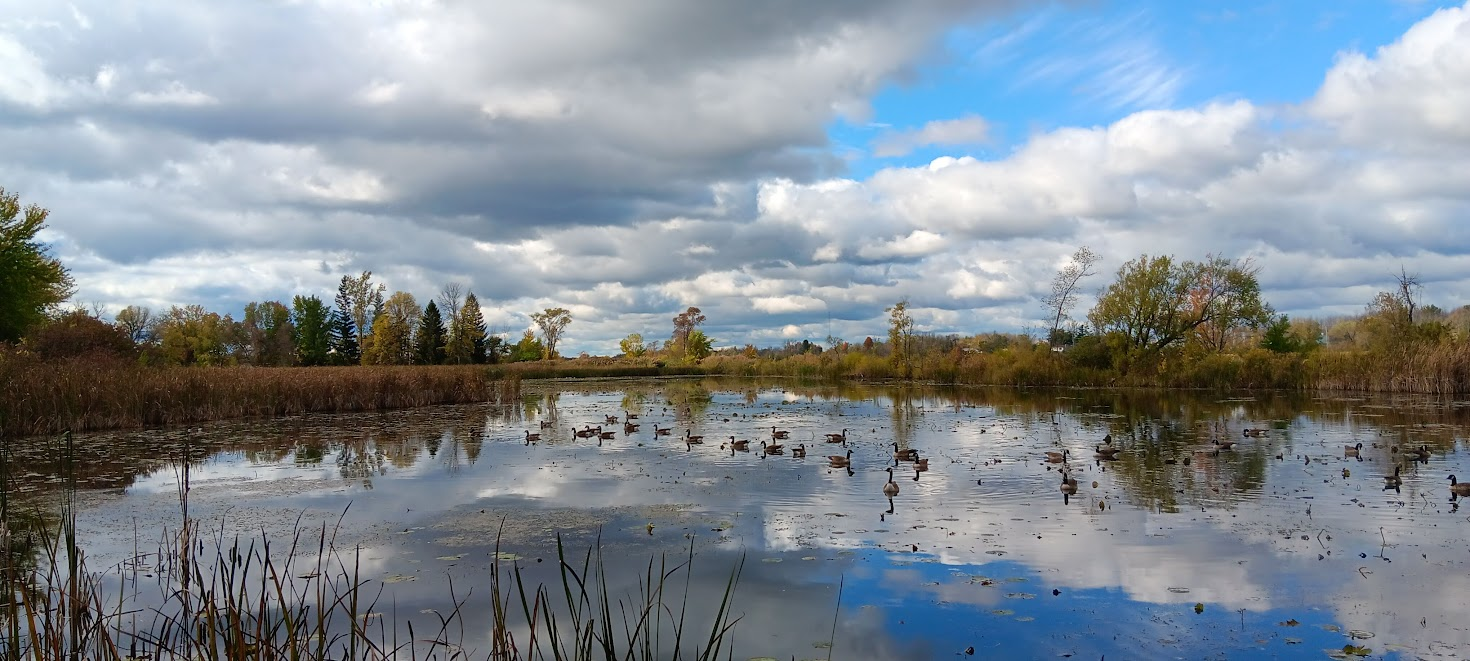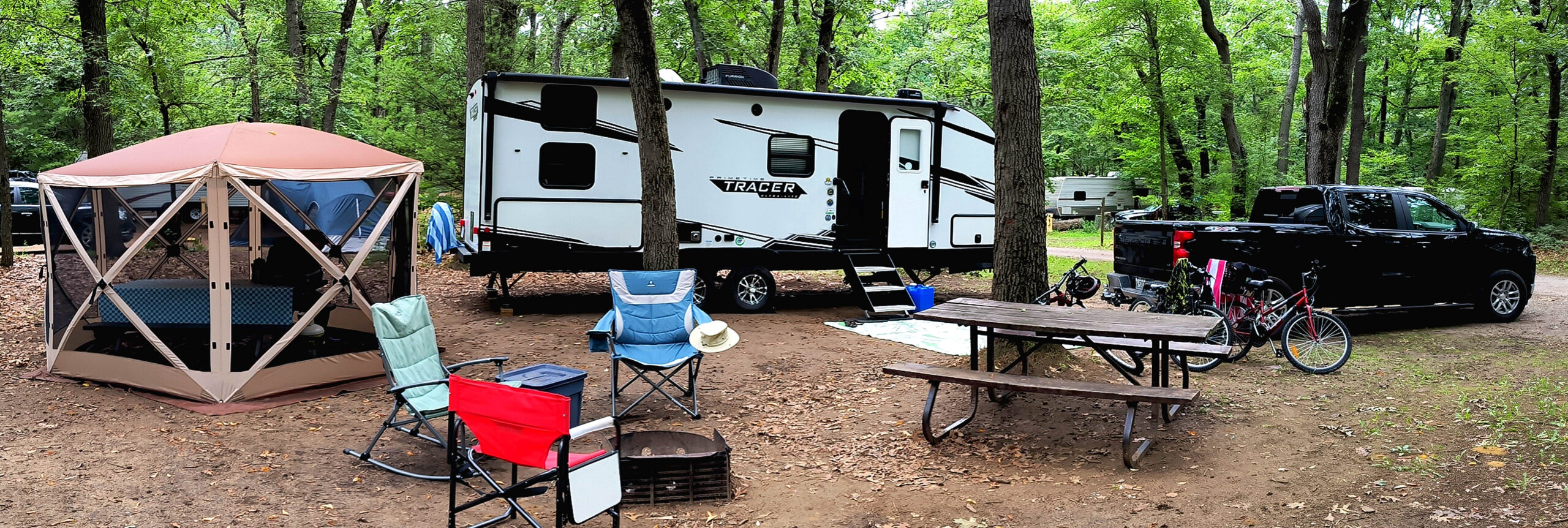
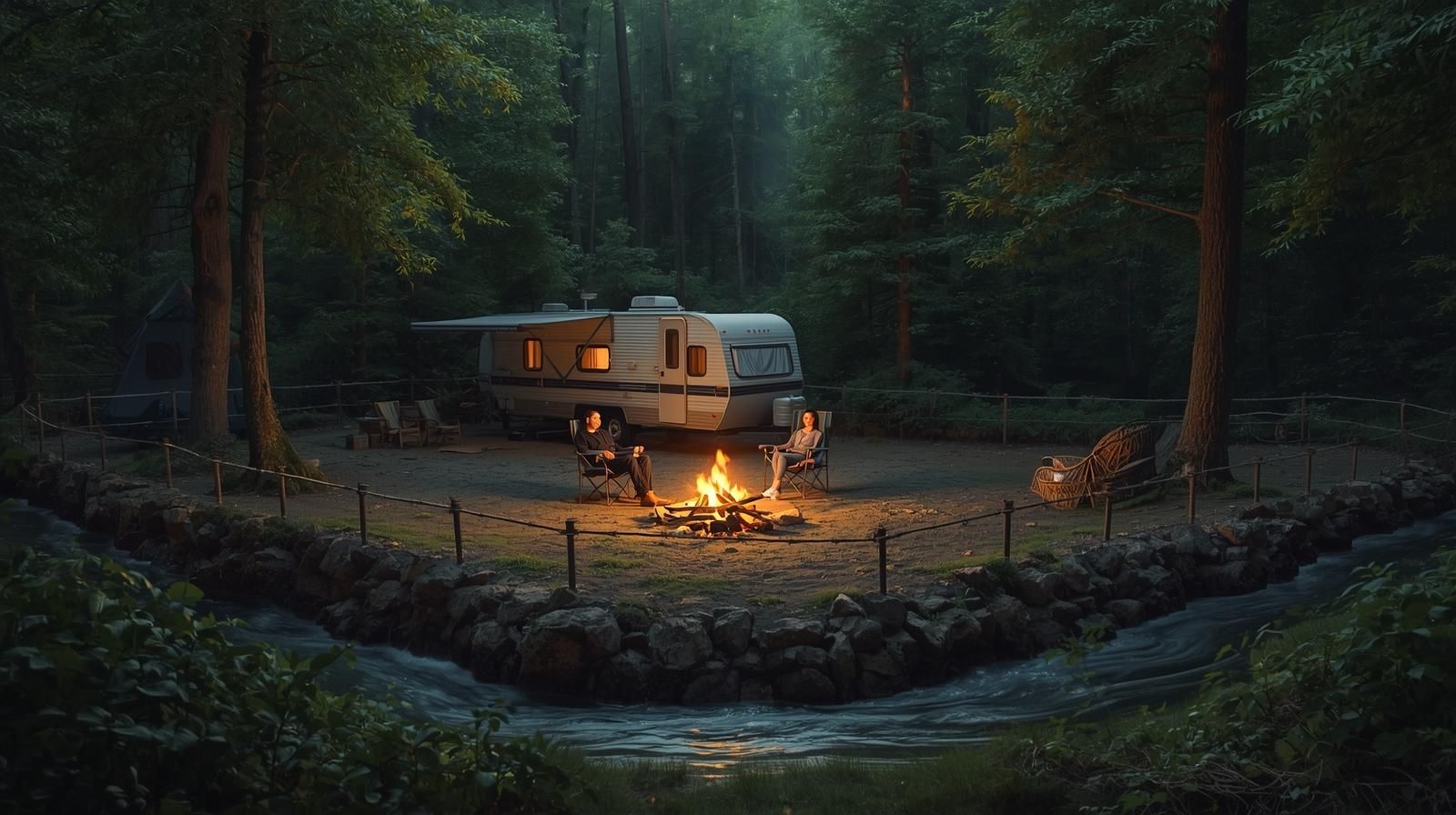
Imagine this: you’re sitting by a crackling campfire, marshmallow roasting at the end of a stick, the Milky Way stretched like a glittery ribbon overhead, and everything—everything—feels exactly right. Then you remember the dingy late-night true-crime special you watched last week and suddenly the rustle in the bushes sounds suspiciously like a heist movie’s soundtrack. Congratulations: you’ve been inducted into the “News-Induced Paranoia Club.” Membership perks include sweating over whether you locked the hitch and imagining e-bike capers starring your son as the hapless accomplice.
Relax. Camping doesn’t have to be a suspense thriller. With a little common sense, a few laughably simple precautions, and some good old-fashioned trailer-groove feng shui, you can enjoy the great outdoors without auditioning for a post-apocalyptic reality show.
Below is your unofficial, mildly sarcastic, and highly practical guide to staying safe on the road — and maintaining your sanity while you’re at it.
1. Don’t Let the News Hijack Your Camping Trip

News outlets have a talent for squeezing the dramatic into headlines. Fires, floods, and the occasional international soap-opera-level scandal sell well. That doesn’t mean your campground is the set of the next blockbuster. Context matters: a handful of dramatic events somewhere on the globe doesn’t mean danger is waiting behind your pop-up tent.
That said, don’t be stupid. There’s a comfortable middle ground between “I’ll wander off and let the coyotes babysit my trailer” and “I’ve installed motion sensors and a moat.” Use your head, pick sensible places, and remember: most days, camping is about marshmallows and terrible campfire songs, not criminal mastermind plots.
2. Pick Campgrounds That Don’t Look Like a Reality Show Set
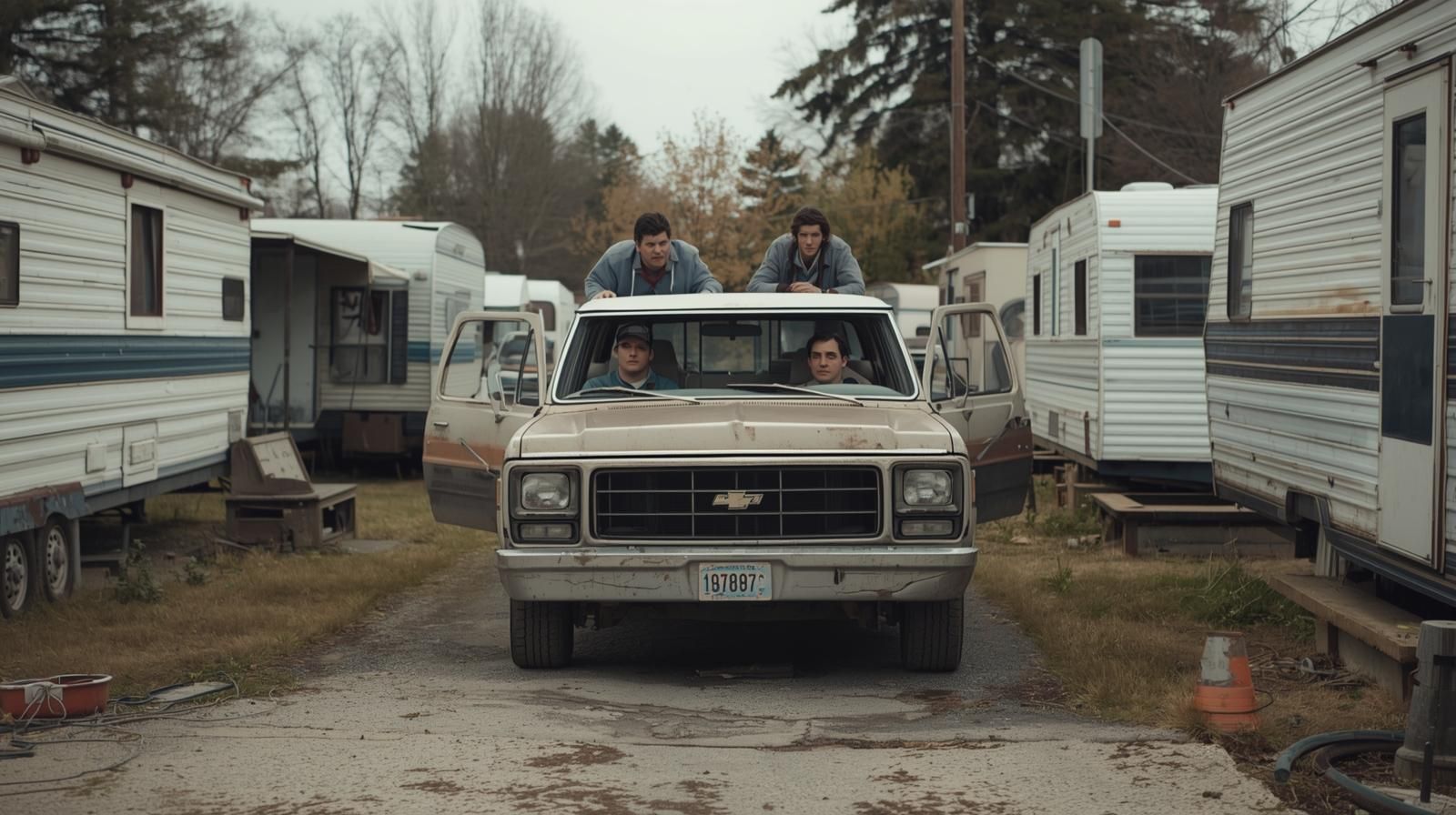
If a campground looks like it was assembled for a low-budget crime drama—think unlit rows of beat-up trailers, suspiciously friendly raccoons, and a suspicious lack of wholesome families—consider moving along. There are plenty of campgrounds that attract folks who bring good vibes and folding lawn chairs, not schemes and quick getaway vehicles. (Think “Trailer Park Boys”)
Pro tip: aim for places with a reputation for being family-friendly or highly reviewed for safety. If the campground’s online profile reads like a horror-satire (“Beware of the man with the unfeasibly large mullet”), opt for something less… theatrical.
3. Bring a Dog — Or Borrow One (Kidding? Mostly Not.)
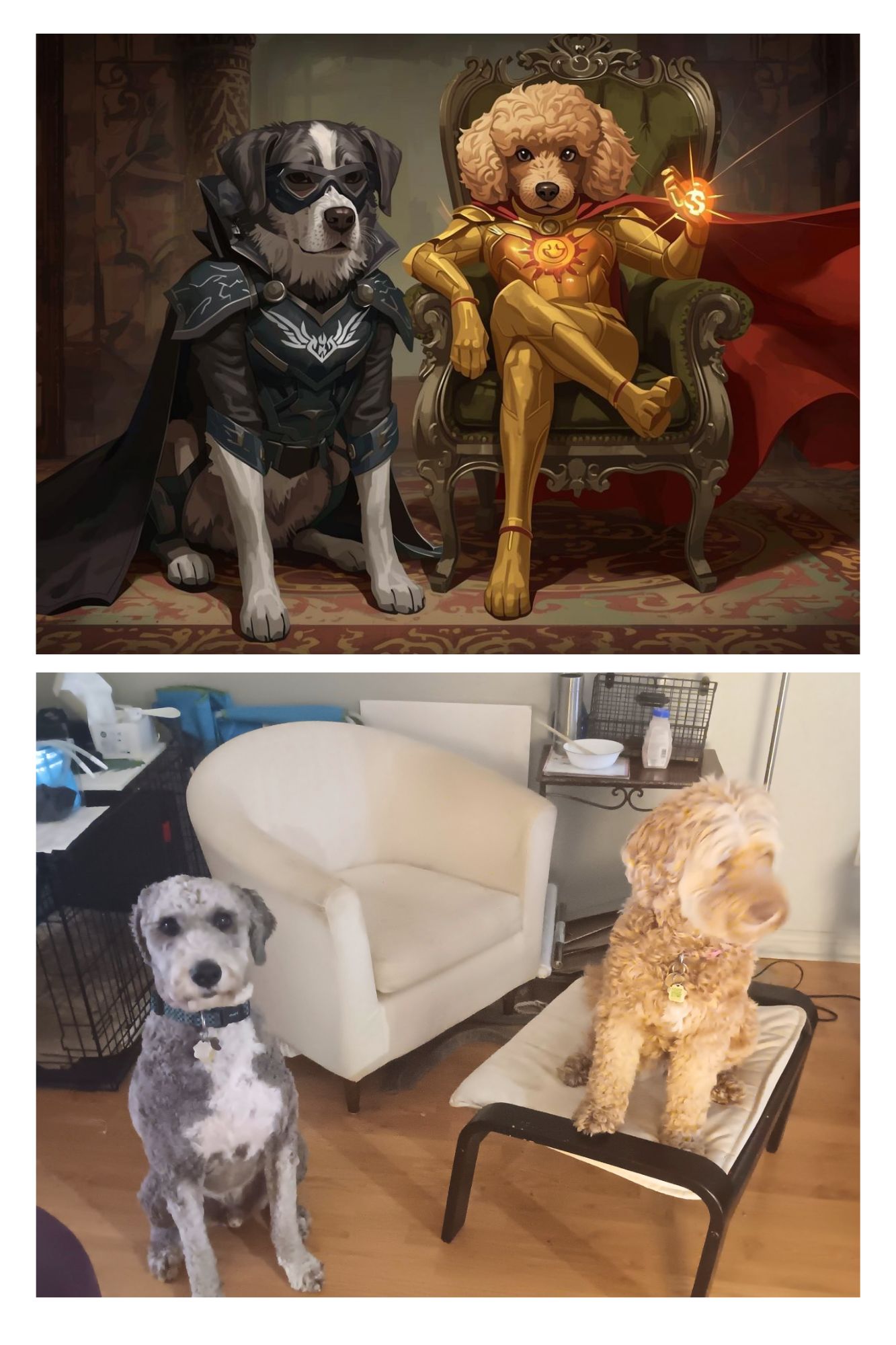
Dogs are the original RV alarm systems. Even the fluffiest golden retriever has the uncanny ability to make thieves think twice. A four-legged friend signals: “This camp is watched,” and the entire criminal enterprise moves on to easier pickings (like somebody’s unattended e-bike).
If you don’t have a dog, consider befriending a camper with one. Pets make excellent contact points for conversation and add an extra layer of security without making anyone uncomfortable. Also, dogs are better at judging people than any YouTube background-check tutorial.
They are also always on duty. The second someone comes to my door, he explodes like a Tasmanian Devil on Red Bull. Making sure everyone is alerted.
4. The RV Community: Friendly, Helpful, and Accidentally Protective
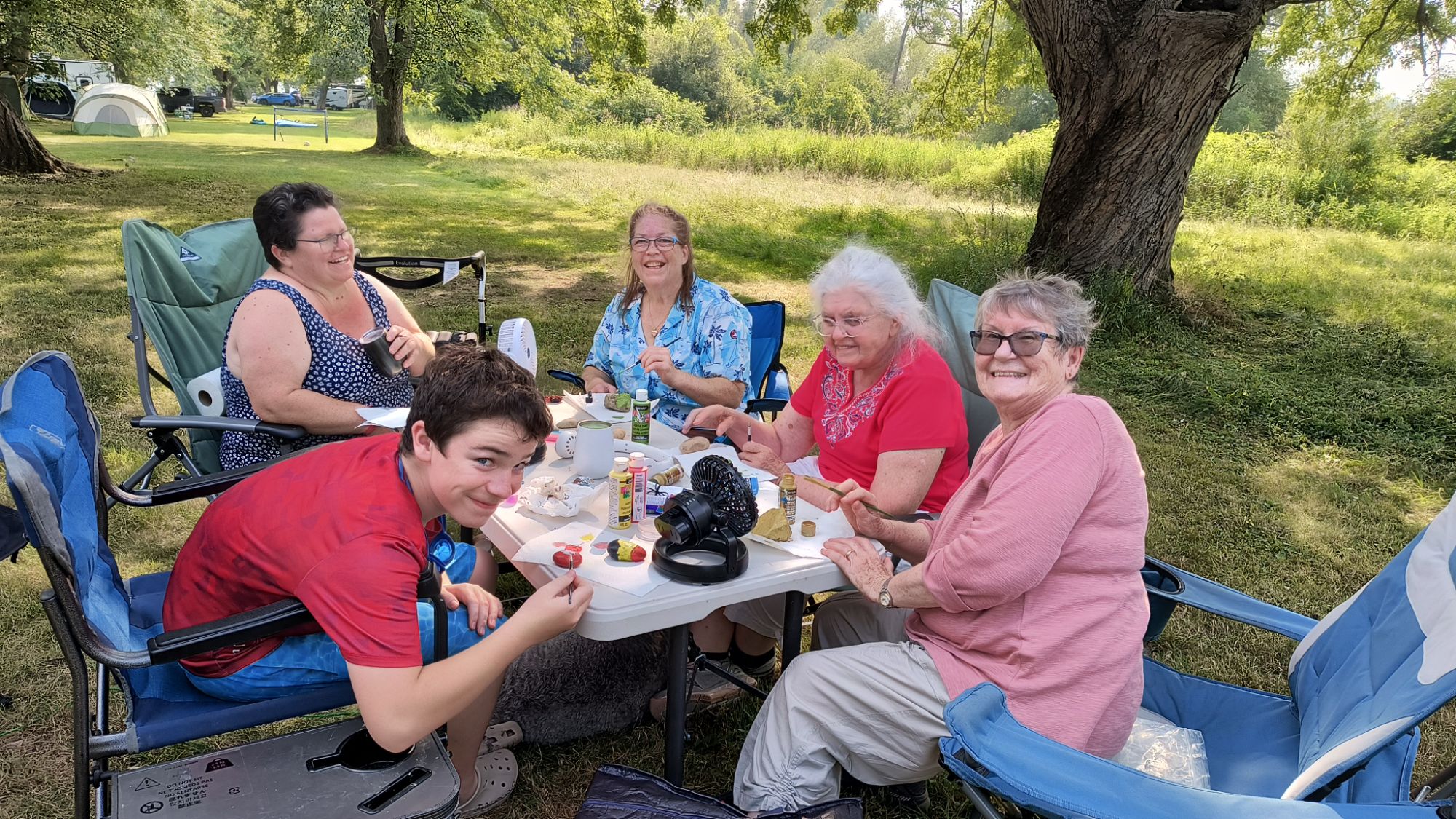
Here’s something that would surprise city-dwelling, TV-addled brains: RVers are mostly nice people. We help each other back into spaces (dramatically), lend tools, swap coolant tips, and keep an eye out for weird behavior. Many hands (and eyes) make light work — and make poor criminals much less likely to score an easy theft.
That old guy who taught you how to hook your trailer up properly? He’s also a subtle security asset. RV communities are watchful, low-key watchdogs. Use them. Be kind. Share muffins. Life’s better when everyone knows how to park a fifth wheel without tears.
5. Keep Your Valuables Out of Sight (Out of Mind = Out of Target)
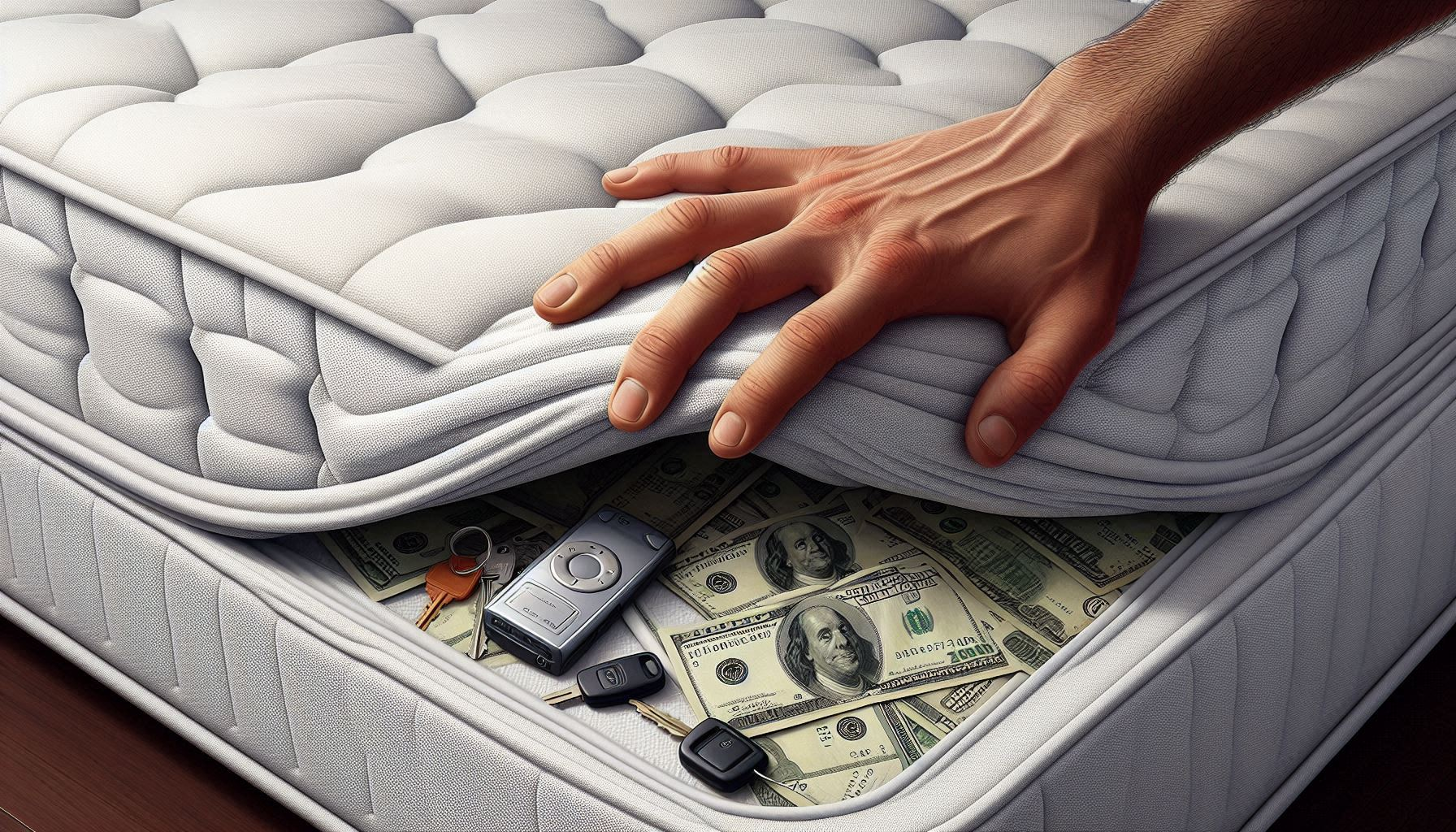
Take a page out of grandma’s book, and think about stashing your cash under your mattress. Visible valuables are like neon signs to thieves. Laptops, jewelry, cameras, and wallets sitting in plain view are temptations. Hide them. Stow them. Put them in odd places (that you can actually remember). If a thief can eyeball your electronics from a distance and imagine walking away with them in under seven seconds, you’ve made yourself an easy target.
Lock things in glove compartments, under bed storage, or in lockers. If you’re into the “creative storage” approach, just make sure you don’t accidentally re-gift your passport to the raccoon population.
And if you happen to have a tempting pile of gear — relocate it inside before you go get wood. Don’t flirt with fate.
6. Trash Talk: Don’t Advertise to Thieves
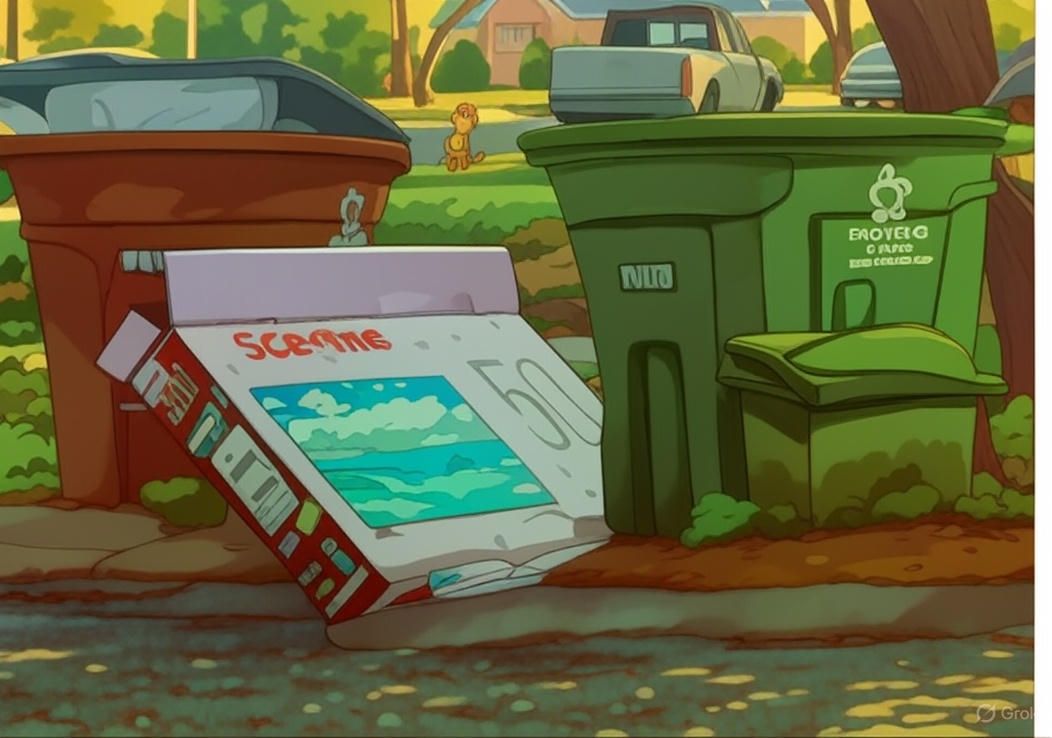
If you enjoy living dangerously (and by “dangerously” I mean intentionally making life easier for criminals), leave your valuables in plain sight and toss your trash haphazardly. Otherwise, put refuse into boxes, use secure containers, and keep the area tidy.
Funny trick: if you’re too lazy to take out the rubbish, put it in an Amazon box labeled “FREE” and leave it by the front of the trailer. That’s a joke, mostly. Don’t actually do this unless you want to start a very specific scavenger hunt. Bottom line: keep the campground tidy and don’t leave attractive trash—like empty gadget boxes—next to your trailer.
7. Lock It Up — Especially the E-Bikes
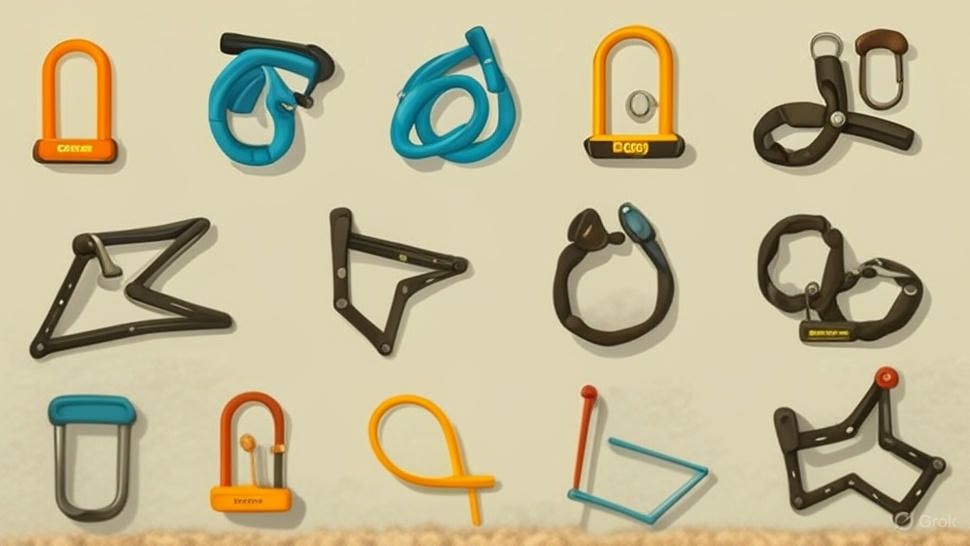
If something is easy to take, someone will probably take it. E-bikes are the new shiny object on the campground heist menu: expensive, lightweight (sort of), and easy to sell. Don’t be the person who rides off and leaves two wheels of temptation leaning against the trailer.
Use good locks. Remove the seat. Take the battery. Carry a cable lock like it’s a fashion accessory. Your son may roll his eyes, but his bike will still be there when you get back — and your marriage might last a little longer.
Some will come with a built in lock, but take the step of securing it to an immoveable object. That way the thieves can’t carry it off and work on it later.
This works for your cooler full of beer too.
8. Don’t Bring the Mercedes of Tools (Bring the Imposter Instead)

We all have that set of tools we’d be personally offended if someone swiped. Mine lives in a vault called “home garage.” The trailer has its own motley crew of second-hand tools for repairs. If they go missing, it stings for about five minutes, and then you remember you saved your real, expensive set at home.
Same goes for appliances: when you upgrade at home, the old yet faithful coffee maker gets promoted to “trailer-only.” It’s less flashy, but accomplishes the same thing: caffeination. Thieves tend to prefer shiny, new, and easy to fence. Don’t give them free inventory.
9. Hitch Locks Are Not Optional — They’re Your Trailer’s Bodyguard
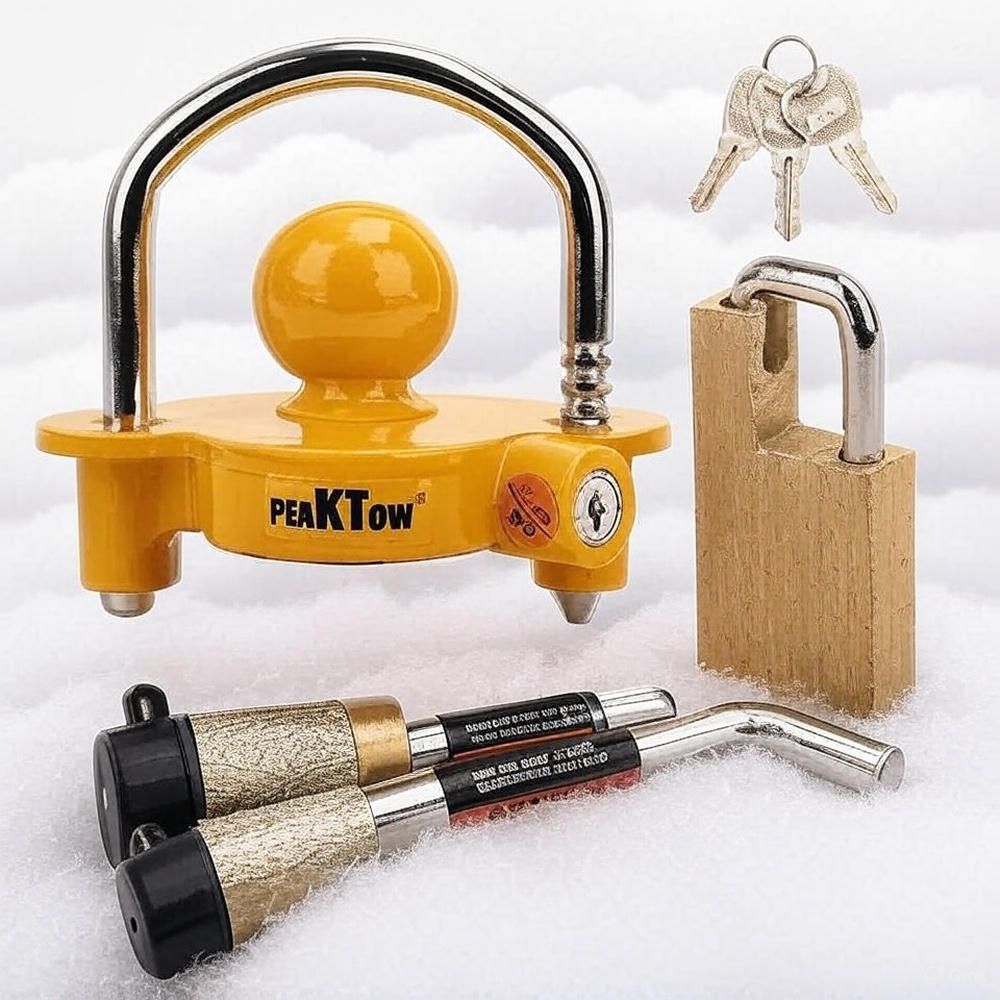
A padlock on your trailer coupler is the camping version of a “kick me” sign for criminals — except it says “please don’t take this one; it’s too much work.” A simple hitch lock significantly raises the difficulty and increases the chance the thief will get caught or give up. Fancy yellow trailer locks that stick out like a sore thumb are actually great because they’re both a deterrent and a low-effort safety boost.
If a thief sees visible security — and you do here, trust me — they’ll move on. Lazy criminals love convenience.
10. Don’t Flash Cash Like It’s a Firefly Convention

Handling lots of money in public is the equivalent of waving a baton at opportunists: “Attention! I’m financially interesting!” A trailer is not built the same way a sticks and bricks house, and your doors are easier to get through.
If you must use cash (because sometimes local markets prefer it), keep it secure. Money belts or hidden pockets are cliché but effective. If someone needs to see cash for a transaction, step away from your campsite and keep it discreet.
Yes, debit cards are everywhere now, but cash still gets you decent deals at flea markets and that handcrafted mug you absolutely must have. Be smart about it.
11. Know Your Surroundings — Do the Homework
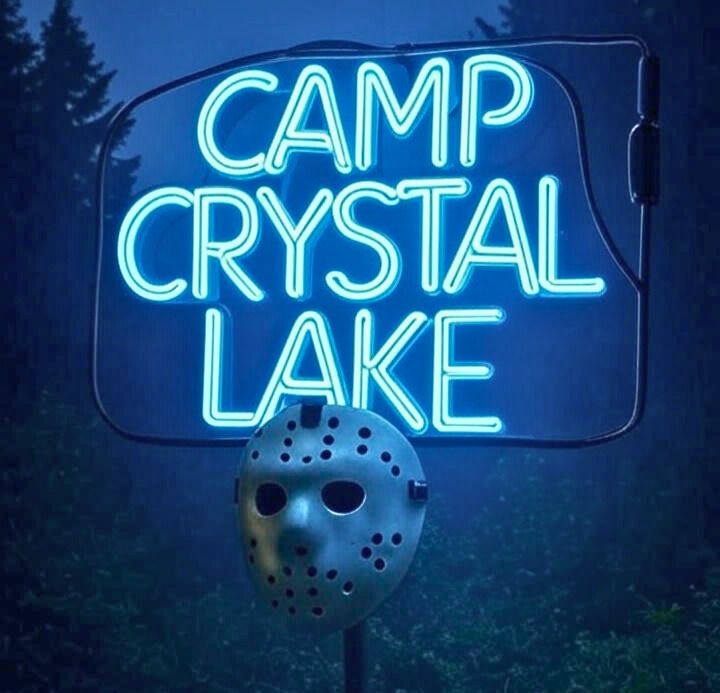
Before you book a wild, “adventure” stay, and you have a nagging feeling you’ve seen “Camp Crystal Lake” somewhere before , you can check the crime stats for the area. Most police websites have public data you can glance through. One car theft in a year is not a trend. Parking overnight in a Walmart lot in a major city is a different experience than a quiet forest campground.
Do some low-key research. Read reviews. Look for patterns. If the comments section reads like a cautionary anthology, maybe redirect to Plan B: somewhere with clean bathrooms and decent Wi-Fi.
12. Trust Your Instincts — Your Gut Is Smarter Than You Give It Credit For
If something feels off, it probably is. Remove yourself from the situation. Find another site, go inside your trailer, or call someone. Never feel foolish for following your intuition. It’s not paranoia — it’s survival.
13. Social Media: Don’t Broadcast Your Empty Campsite
Posting real-time photos of your campsite while you’re off hiking and leaving your trailer unguarded is like putting out a welcome mat with neon lights that say “Empty for hours, take whatever.” Wait until you’re back, or delay the post. If you’re sharing to brag about that perfect sunset, schedule the post to go up later. Live in the moment — and then share it.
Pro tip: avoid check-ins that mention exact location and times. You don’t need to be a secret agent about it, just avoid full disclosure.
14. RV Accessories and “Hacks” — Take the Good, Ignore the Garbage
The internet is full of RV “hacks” that range from ingenious to utterly useless. Filter with healthy skepticism. Some things are worth buying, others are… not. If you buy RV-specific gear, either secure it so it’s not an attractive theft target, or buy generic equivalents that don’t scream “expensive backup generator.”
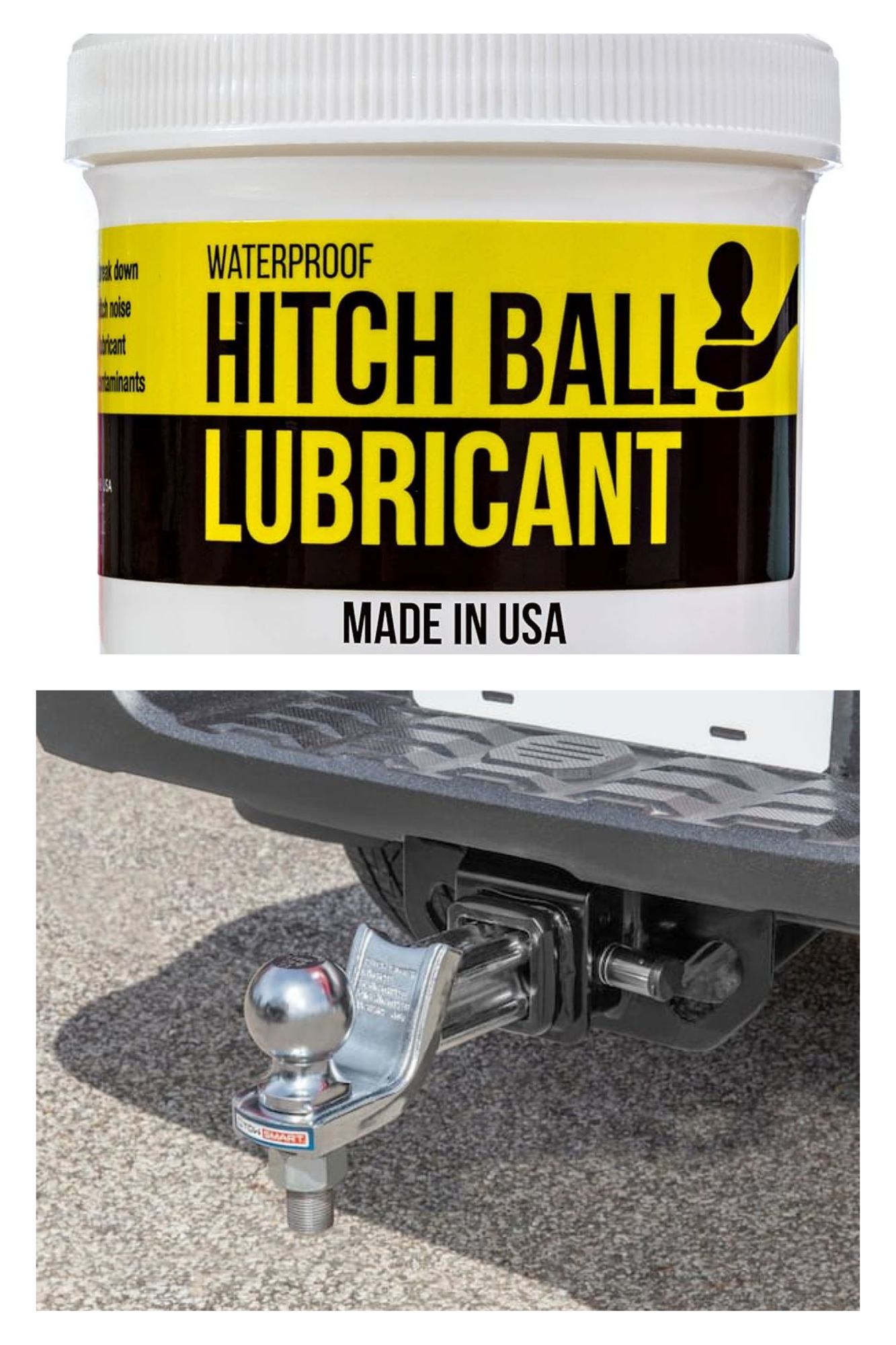
One classic trick that actually works: grease those hitch balls and get creative with labeling. Slap a sticker that says “Sewage Parts” on your toolbox and see how many wandering hands skip it. Spray some grease on an exposed hitch to make it awkward for a thief to handle. If it’s gross, they won’t want it — problem solved. It’s not glamorous, but it’s clever.
Final Thoughts: Camper’s Manifesto for Not Being Stolen From
Camping should be about relaxation, s’mores, and—on good days—marveling at how small your worries are under a vast sky. It shouldn’t be about worrying whether someone will steal your beloved (albeit slightly scratched) coffee maker or your kid’s e-bike. A measured dose of common sense — choosing the right campground, keeping things out of sight, locking valuables, and trusting your instincts — goes a long way.
Don’t let the news make your camping stories all about close calls. Make them about the time Checkers chased a raccoon out of camp or when the neighbor helped you with that awkward reverse into the prep site. The world is mostly kind, and the RV community is kindlier still.
Your Move: Share Your Best (or Weirdest) Campground Safety Trick
Now it’s your turn. Do you have a bizarre camping hack that actually worked? A sticker that confused a would-be thief? A toolbox label that saved you from losing your favorite wrench set? Or did you once attempt to protect an e-bike with a roll of duct tape and live to tell the tale?
Drop your stories, tips, and jury-rigged solutions in the comments below. If you enjoyed this ramble and want more salty-but-sensible camping advice, hit the subscribe button, share this post with your fellow campers, and follow for more tales from the trailer. Bonus points if you include a photo of your stealthiest security sticker — anonymity optional.
Happy camping — and remember: lock your hitch, hide your stuff, and bring snacks. Snacks help with everything.