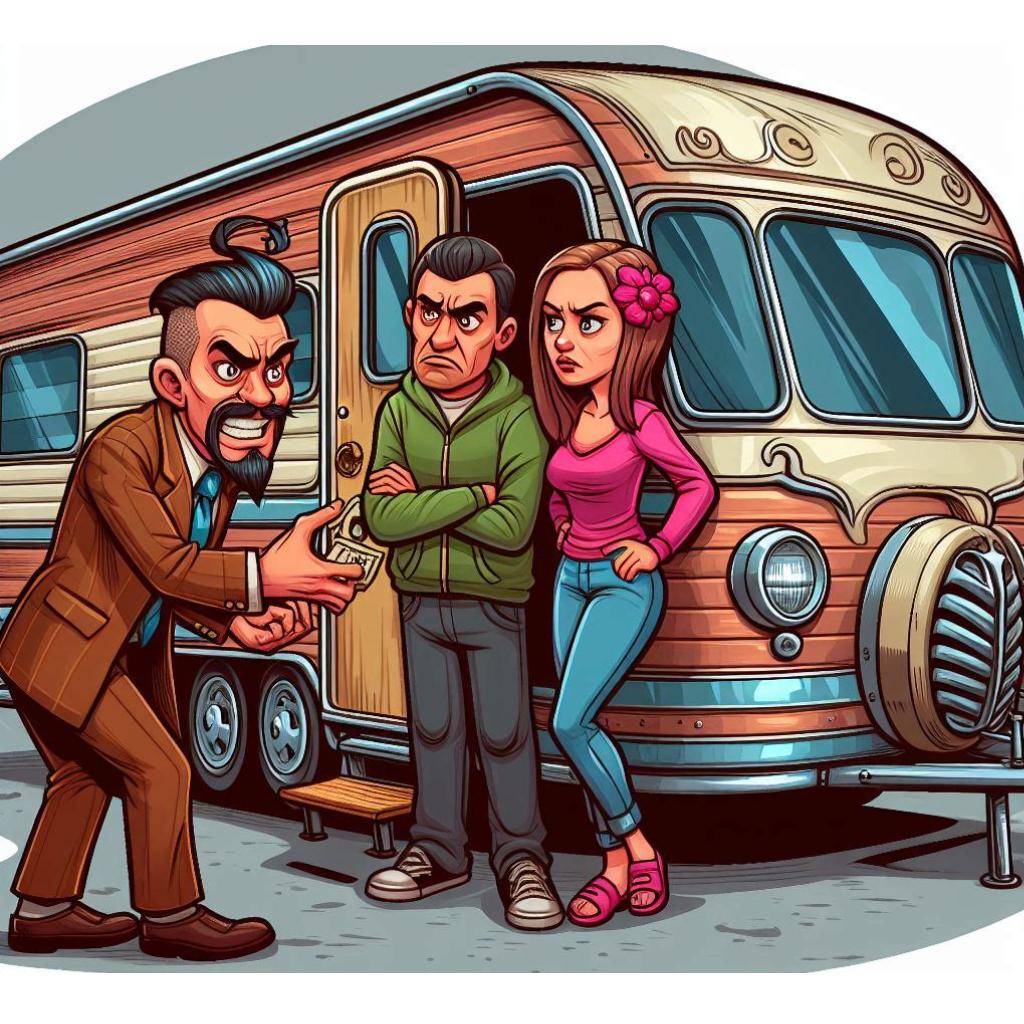
The Humble Beginnings: From Trials Terrors to Trailer Triumphs
Our family’s foray into the wonderful world of camping started like most – crammed into a tent in a provincial park, armed with bug spray and questionable optimism. As the years rolled on (and our family grew), we upgraded to a used pop-up trailer. Let me tell you, my back did a happy dance saying goodbye to the unforgiving ground. We also learned the joys (and occasional frustrations) of keeping our used Viking trailer functional, which involved more than a few McGyver-worthy repairs on my part. But hey, at least it kept us entertained during rainy days (although, not always in the most constructive ways). Eventually, after years of TLC and battles with our aging trailer, we decided to take the plunge and invest in a brand-spanking new 28-foot travel trailer. Enter the glorious Forest River Tracer 24DBS (aka The Tardis), complete with a bathroom, kitchen, 2 double bunks for the kids (or the occasional visiting grandma!). It has all the modern conveniences you could ask for, including the magical power everything (stabilizers, jack, slides – you name it). Thankfully, I’m no longer spending more time fixing the trailer than actually camping in it – a welcome change from the pop-up days!
The COVID Camping Craze: When Everyone Became an RV Enthusiast
Now, before you skip ahead to the juicy “is a COVID-era RV worth buying” section, lets remember the great lockdown of 2020? Yeah, that was the time when everyone was collectively stir-crazy, it seemed everything was closed, and Netflix binges reached epic proportions. People were desperate for an escape, a way to reconnect with nature and break free from the confines of their homes. Enter the world of camping, glamping, and RVing, which suddenly became the hottest ticket in town. YouTube videos painted a picture-perfect image of sunny skies, lush greenery, and the ultimate perk – no neighbors! So, city dwellers with zero campig experience flocked to dealerships, eager to embark on their own mobile castle adventures. Little did they know, they were in for a wild ride.
The Perfect Storm: Newbies, New RVs, and a Whole Lot of Chaos
The RV industry, previously chugging along at its usual pace, was suddenly slammed with a surge in demand. Dealers scrambled to keep stock on their lots, manufacturers struggled to find enough skilled workers to meet the demand, and supply chain disruptions threw a wrench into everything. This perfect storm resulted in skyrocketing prices for both new and used RVs. Campgrounds, once havens of peace and tranquility, became battlegrounds for reservations. Securing a campsite felt like playing the lottery, with only a handful of lucky winners (and a whole lot of frustrated campers left empty-handed).
The Aftermath: Managing Expectations and Navigating the “COVID-Built” Stigma
Fast forward to today, with the COVID dust (hopefully) settling. Now comes the million-dollar question: Should you buy a “COVID-era” RV? It’s tempting to dismiss them entirely, thanks to the online chatter about less-than-stellar build quality. But hold your horses! Let’s address some common complaints:
- “My RV keeps breaking down!” Let’s be honest, RVs aren’t exactly built like brick houses. Treat them with respect, and they’ll treat you well. However, they do require regular maintenance, and yes, things might break occasionally, especially if you camp with little ones who use the RV as a jungle gym. Also roadtrips make the RV seem like it’s experiencing an earthquake while it’s driving down the road. Drive like Evel Knievel and you’ll break things faster than my dog can steal a hotdog off the picnic table.
- “My RV is still broken, and I can’t get it fixed!” The global parts shortage affected everything, from toasters to airplanes. Remember the wait times for new cars? Well, RVs weren’t immune either.
- “The quality of my COVID-built RV sucks!” While staffing shortages might have impacted quality control in some industries, it’s important not to generalize. Every RV is unique, regardless of when it was built. Do your due diligence, inspect the RV thoroughly, and don’t be afraid to walk away if you see any major red flags, especially water damage. There were poorly built RVs before Covid so it’s not unique to just those ones.

The Final Verdict: Don’t Dismiss the COVID-Built Just Yet
With the economy trying to stabilize, you might even snag a good deal on a “COVID-era” RV simply because of the stigma attached. Remember, the golden rule for any RV purchase, new or old, is to inspect it meticulously and walk away if anything seems overly concerning. If any of the repairs are outside your skillset, walk away unless you want to wait your turn at the RV dealership to get it repaired. Especially if it involves water damage (think electrical, mold, or mildew in the walls).
My COVID-era RV, while a beacon of adventure and occasional chaos, hasn’t been entirely hassle-free. But let’s be real, what is? Picture this, one of my stablizer jacks decided to play dead one day. Now, I could’ve gone all high-and-mighty, dragging the entire rig to the dealership like a wounded warrior, and waited – possibly for weeks – for their attention. But who needs that kind of drama?
Instead, I embraced my inner Amazon warrior, scoring a replacement fuse for a whopping $5. Armed with my trusty YouTube tutorials and a screwdriver, I embarked on a DIY mission. In the end, that stabilizer jack came back to life, and I strutted around the campsite like I’d just conquered Mount Everest (in flip flops).
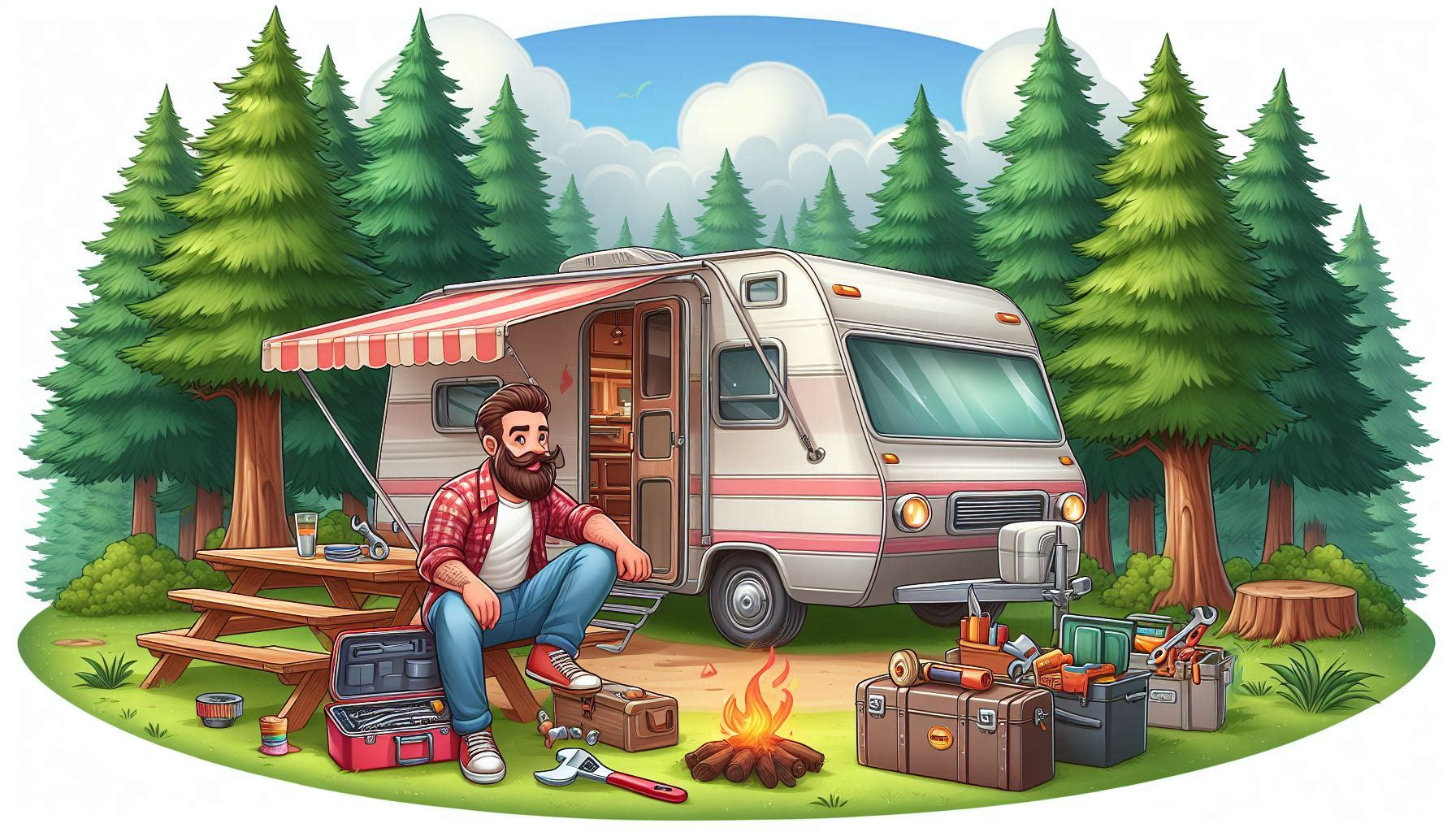
See, sometimes these RV “issues” are more about flexing your resourcefulness muscles or grit than admitting defeat. Who needs a dealership when you have the internet and a stubborn streak a mile wide?
The Moral of the Story
Don’t automatically write off these Covid-era RVs just because of their manufacturing date. With a little research, patience, and a healthy dose of common sense, you might just find your perfect mobile adventure companion in a Covid-era built RV.