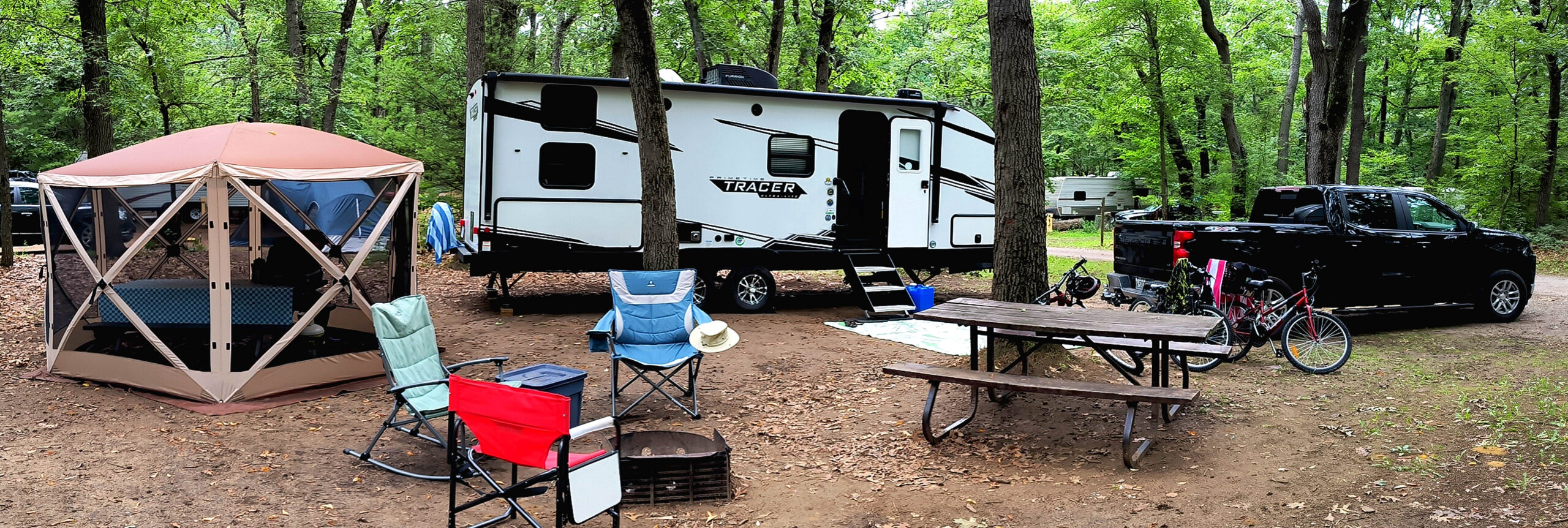
A Definitive, Legally Questionable Guide to the High-Speed RV Nap
Let’s speak frankly about one of the great, unsung pillars of the RV lifestyle.
We talk endlessly about majestic vistas, the thrill of the open road, the bonding experience of yelling directions at each other, the character development provided by black water tank dump stations, and the culinary sorcery required to produce a four-course meal on a two-burner propane stove roughly the size of a library book.
But amid all this romantic storytelling, we have been ignoring a cornerstone activity.
A cultural touchstone.
A federally unregulated sport.
I am talking, of course, about The RV Nap.
Not the delicate, Instagram-approved nap. Not the one involving a hammock, soft lighting, and a person who owns linen pants. No. That’s fake. That’s a lifestyle brand.
I’m talking about the nap that happens in defiance of reality.
The nap that says, “I acknowledge my surroundings are hostile, and I will sleep anyway.”
From Infancy to Insomnia: The Rise and Fall of the Nap
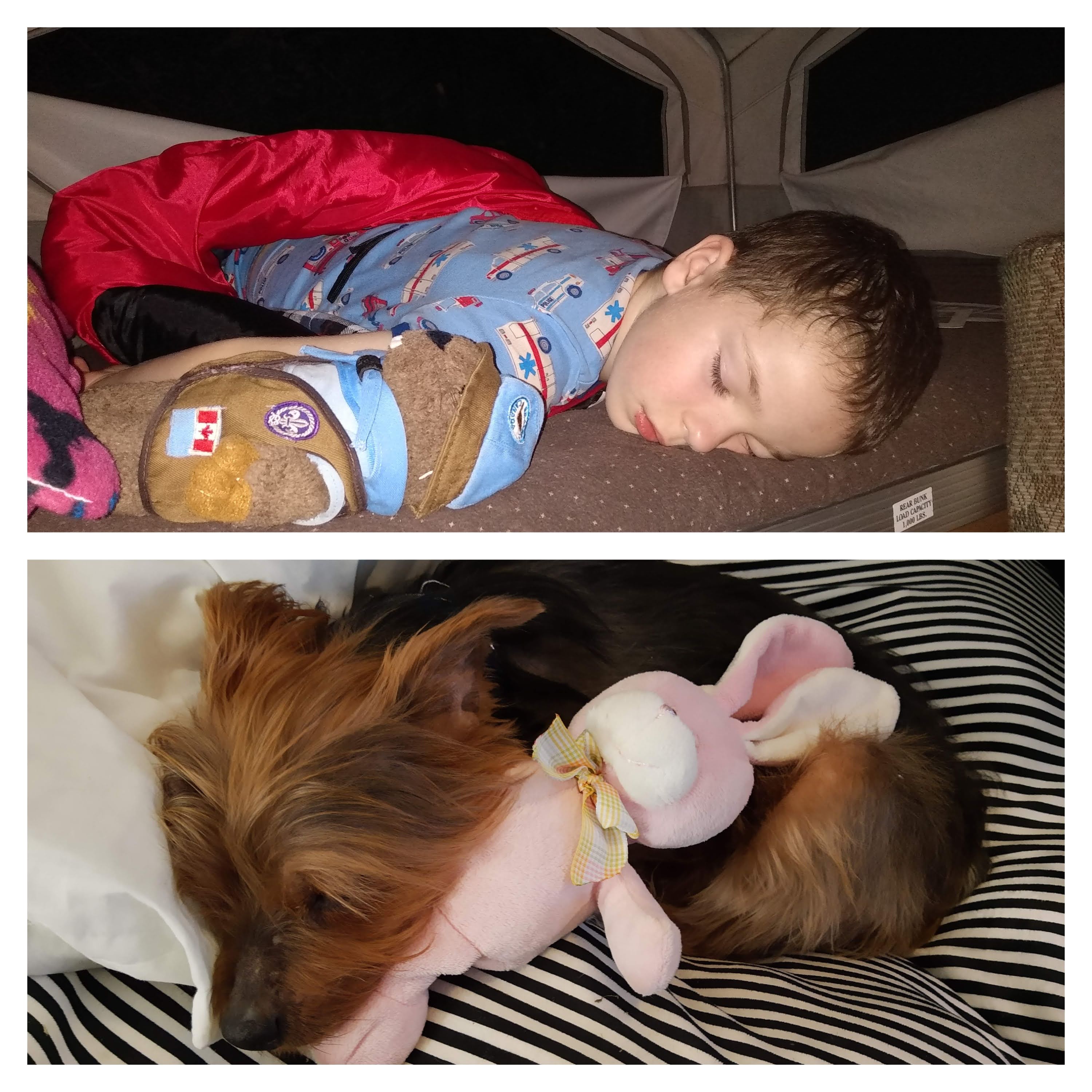
When we begin life, we are elite nappers. Tactical nappers. We can fall asleep anywhere, anytime, under any conditions.
Mid-meal? Yes.
During a loud family gathering? Absolutely.
While being actively transported? Ideal.
Babies don’t decide to nap. They simply shut down like a laptop at 3% battery. Lights out. System update required.
Then we grow up, and something terrible happens.
The nap becomes the enemy.
We fight it like it personally insulted us. We’ll say things like, “I’m fine,” while blinking at half speed and becoming emotionally fragile over nothing. We refuse naps out of spite, fueled entirely by caffeine and poor decisions.
Eventually, adulthood finishes the job. Naps disappear completely. There are meetings. Errands. Obligations. Important emails that could have been naps instead.
And then—one day—it hits you.
You miss naps.
Not casually. Desperately.
Suddenly, lying down in the middle of the day sounds not indulgent, but medically necessary. Unfortunately, society—and especially your boss—does not share this awakening. Sleeping at your desk is still considered “concerning” and “a pattern HR has noticed.”
But at the campground?
Oh buddy.
The nap returns like a long-lost hero.
Here, napping isn’t laziness—it’s practically an outdoor activity. You didn’t “give up.” You recharged. You connected with nature. You inhaled fresh air and then immediately passed out in it.
And it feels earned. Deep in your bones. Possibly in your lower back.
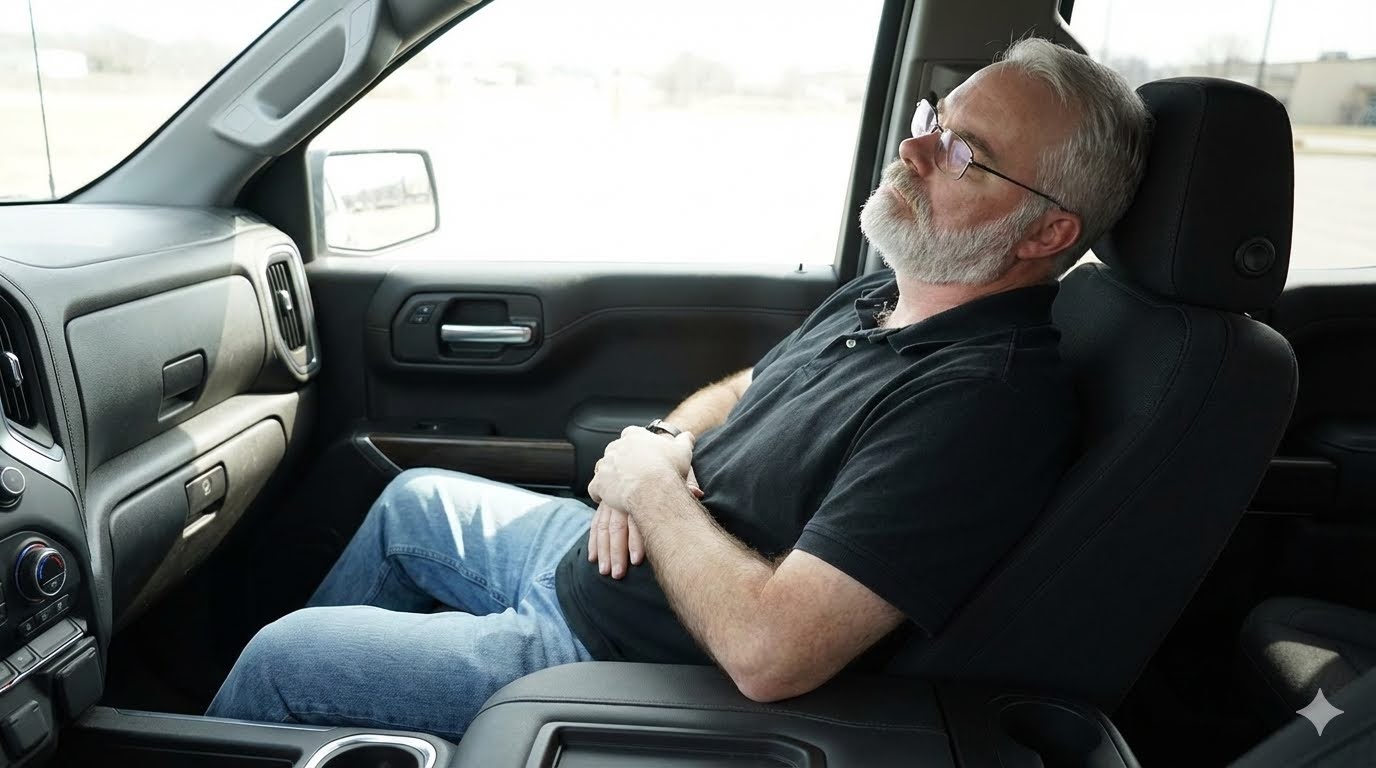
The Highway Nap: Why We Sleep at 80 KPH (Hopefully Not While Driving)
Before we talk about how to nap in a moving vehicle, we must ask the more important question:
Why on earth does this work?
The Hypnotic Hum of the Road
There is something deeply primal about the vibration of an RV at cruising speed. It’s like being back in the womb—if the womb smelled faintly of diesel and had cupholders.
The constant, low-frequency rumble of tires on asphalt turns your brain into warm pudding. Your thoughts slow. Your eyelids droop. You stop caring about things like time, responsibility, or whether that rattling sound is “normal.”
(Spoiler: it’s never normal, but it’s also never urgent.)
Escapism, Now With Layers
You bought an RV to escape the grind. The RV nap is the escape from the escape. You close your eyes in Saskatchewan and wake up emotionally in Alberta. It’s teleportation, but cheaper.
Co-Pilot Fatigue (A Peer-Reviewed Condition, Probably)
Being a passenger is exhausting. You must:
- Manage snacks
- Control the music
- Monitor Google Maps like it might betray you
- Gasp every time a semi truck exists too close to your lane
This is labour. The nap is compensation.
Enemies of the Snooze: A Hostile Environment
The Rumble Strip
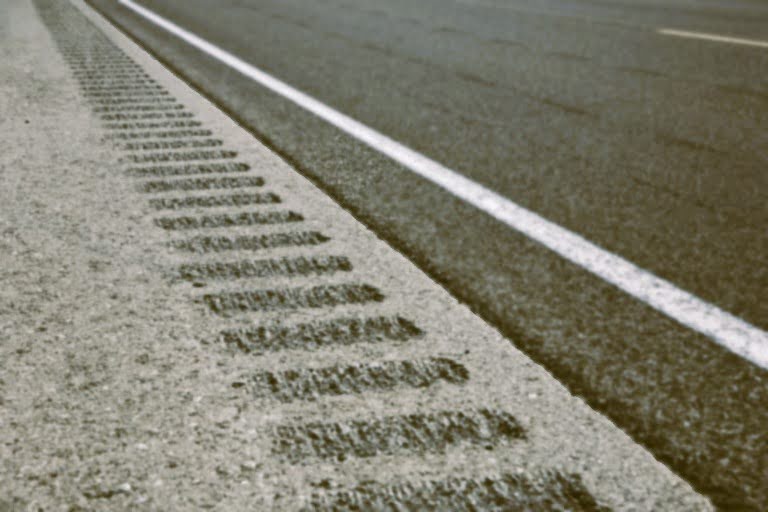
Just as you drift off, the driver wanders slightly and suddenly the RV sounds like it’s being attacked by a swarm of angry robots.
BRRRRRRT.
You wake up convinced:
- You are dying
- The RV is disintegrating
- This is how it ends
The driver says, “Oops.”
You age five years.
The Mystery Rattle
Every RV contains at least one object that waits patiently for silence before revealing itself.
It could be a fork. A cupboard. A screw that has given up on life.
It will not make noise while you’re awake. Only once your eyes close will it begin tapping rhythmically, directly into your soul.
Sudden Braking Events
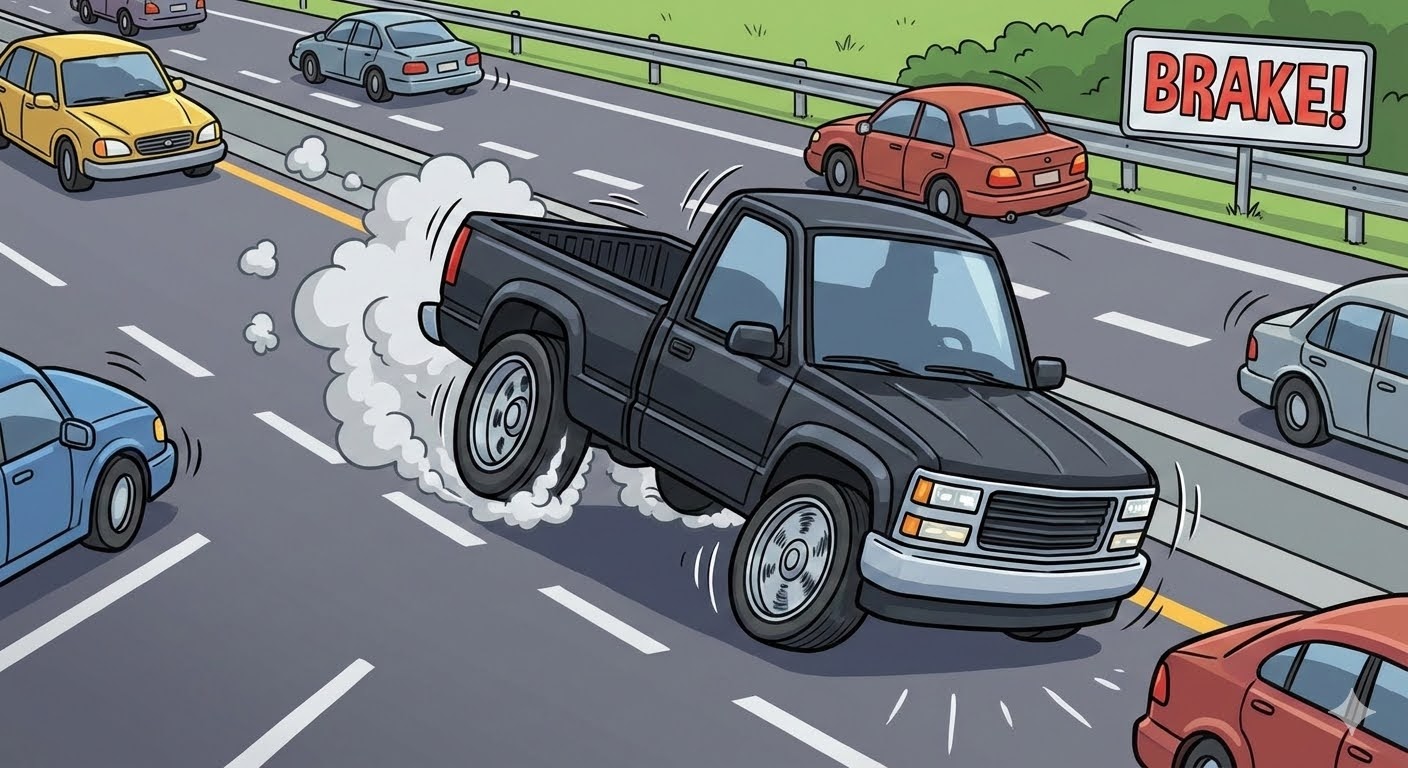
Physics does not care that you were dreaming about tacos.
One second you are at peace. The next, Newton’s Laws personally introduce your face to the dashboard because a squirrel made eye contact with the road.
Gear of the Truly Committed Napper

The Neck Pillow
This is not an accessory. This is life-support equipment. It must be dense, supportive, and capable of restraining your head like a loving but firm bouncer.
Noise-Cancelling Headphones
These block engine noise, wind noise, and the driver’s decision to listen to a podcast called “Bridges: The Early Years.”
The Eye Mask
You will look ridiculous. That’s the point. It signals, “I am unavailable unless the RV is on fire.”
The Emotional Support Blanket
Passenger-seat temperature exists on a spectrum between “meat locker” and “surface of the sun.” The blanket creates balance. Harmony. A tiny, sweaty ecosystem.
Waking Up: The Re-Entry Phase
You’ve done it. You slept for 100 kilometres.
You wake up confused. The geography has changed. Your mouth tastes like old granola bars. Your face is imprinted with the seatbelt like a poorly planned tattoo.
The driver says, “You were snoring so loud I thought something was wrong with the engine.”
They are lying. They are jealous.
Stretch your neck (carefully). You have survived the asphalt dreamscape. You are ready to critique their parking at the campground with renewed confidence.
Napping Like a King at the Campground
The Philosophy: The “I’m Extremely Busy Doing Nothing” Defence
The greatest obstacle to a campsite nap isn’t noise.
It’s guilt.
You are parked in a breathtaking National Park. There are waterfalls thundering heroically nearby. There are trails that promise personal growth and calf soreness. There are interpretive signs describing 18th-century grain mills that someone, somewhere, found very important.
Meanwhile, your internal monologue is screaming:
“Why are you closing your eyes? You didn’t drive 400 km to look at the inside of your eyelids, you coward!”
This voice is a liar and must be silenced.
To nap effectively, you must assert Total Airspace Authority. You paid $55.00 for this 20×40 patch of gravel, dirt, and mystery pine needles. For the next twenty-four hours, you own the land and the air molecules hovering above it. If you choose to fill those molecules with gentle snoring and the occasional nap grunt, that is not laziness—that is property rights.
This is not “doing nothing.”
This is active recovery.
Pro Tip: If you feel the judgmental eyes of “Active Hikers” drifting past your site—hydrated, energetic, morally superior—keep a map or bird-watching book open on your lap. If you fall asleep mid-nap, it looks like you were “studying the terrain” and simply succumbed to the sheer intellectual exhaustion of being an outdoorsman.
Location Scouting: Choosing Your Arena of Unconsciousness
Where you choose to go unconscious will directly determine the quality of your recovery—and how ridiculous you look while doing it.
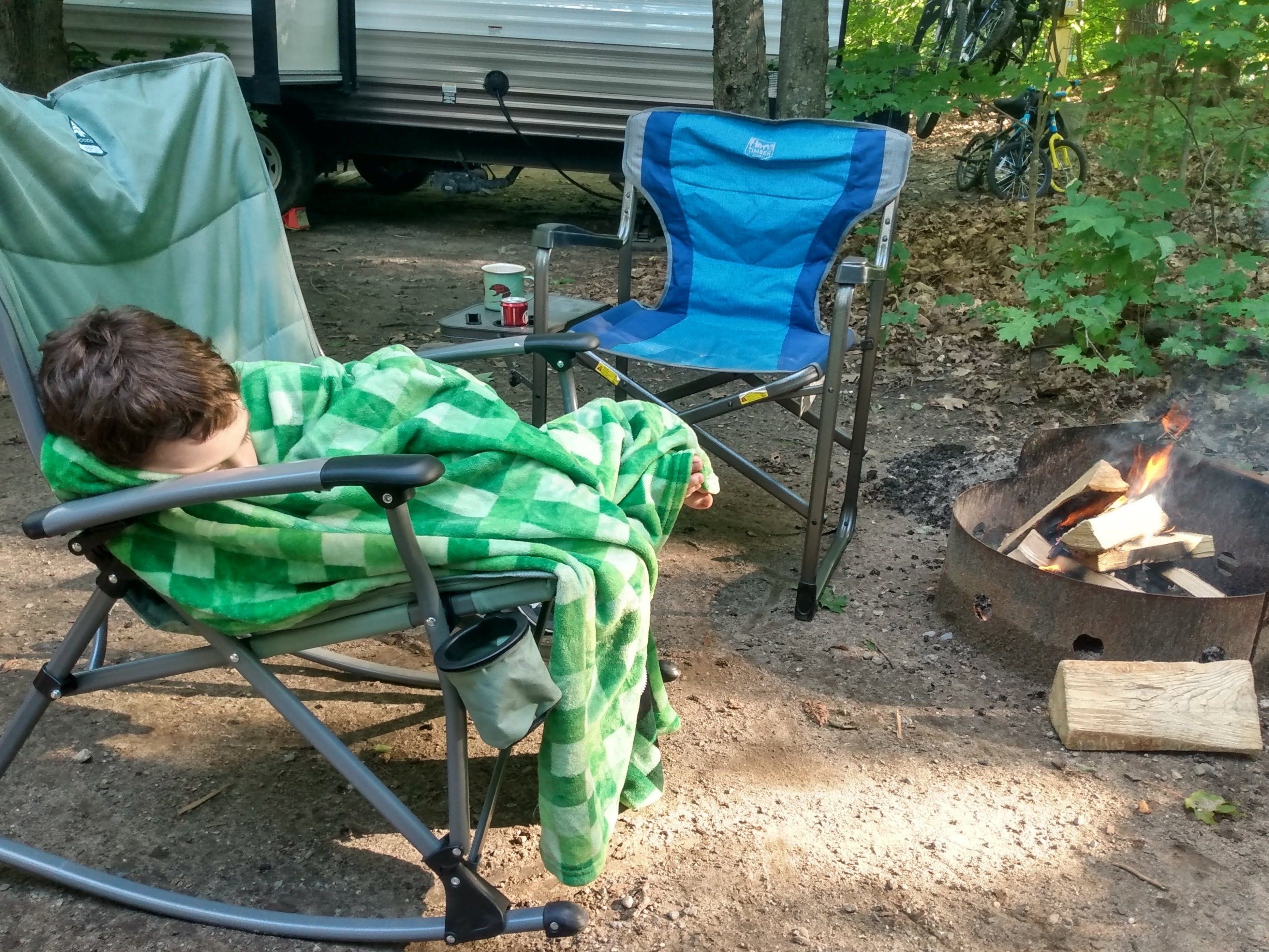
1. The Zero-Gravity Chair (The “NASA Program”)
This is the gold standard of campsite napping. These chairs recline until your knees are slightly above your heart, tricking your body into thinking it has achieved orbit.
The Pro:
It is physically impossible to remain awake in a Zero-G chair for more than twelve minutes. Your body simply gives up and files a sleep request.
The Con:
You look like you’ve been launched from a catapult. If someone walks by and startles you, your reflexive flail can cause the chair to oscillate violently, potentially ejecting you into the fire pit like a malfunctioning amusement park ride.
2. The Hammock (The “Human Burrito”)

Hammocks provide a gentle swaying motion that lulls you into a womb-like trance.
The Pro:
The rock-a-bye effect is elite.
The Con:
Entry and exit. There is nothing dignified about a grown adult attempting to escape a mesh hammock. It looks like a documentary about a spider wrestling an extremely uncoordinated fly.
Also: Cold Butt Syndrome. Even in 30-degree heat, the wind will find the underside of that hammock and freeze your glutes into granite.
3. The Inside-the-RV Bed (The “Vault”)

Sometimes the outdoors is just… a lot. Too many bugs. Too much sun. Too many children screaming while driving Power Wheels like they’re qualifying for Formula 1.
The Pro:
Total darkness. Climate control. Silence. You are untouchable.
The Con:
You lose some “I’m Camping” street cred. Also, waking up in a dark RV at 3:00 PM guarantees The Great Disorientation—a state where you don’t know what year it is, what meal you missed, or whether it’s acceptable to eat chips for dinner.
The Enemies of the Snooze: A Field Guide
The campground is not a library. It is a chaotic ecosystem. To nap, you must identify and neutralize threats.
The Diesel Idolizer
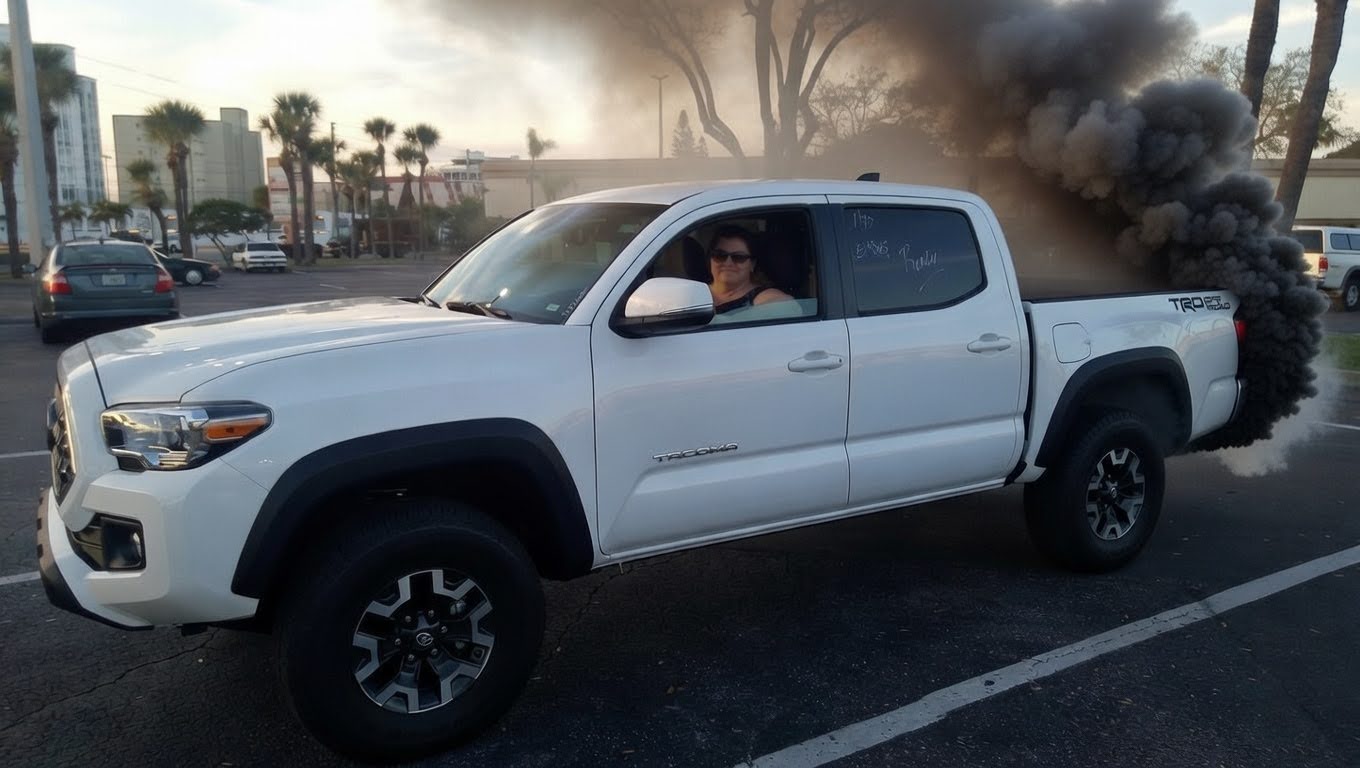
There is always one guy—usually three sites down—who believes his 3500 heavy-duty truck needs to “warm up” for 45 minutes before driving 200 metres to buy ice.
The resulting rumble is strong enough to loosen dental work.
Countermeasure:
High-fidelity earplugs or a white noise machine that sounds like a 747 idling on the tarmac.
The “Social” Neighbour
This person sees you reclined with a hat over your eyes and thinks:
“Perfect. A captive audience for my 20-minute story about slide-out motor failure.”
Countermeasure:
The Decoy Book. Hold a thick, joyless biography. Preferably about a historical figure no one likes. People are less likely to interrupt someone who looks like they’re “studying.”
The Campground Woodpecker

Nature’s jackhammer. It will locate the one tree directly above your head and begin drilling at the precise moment you reach deep sleep.
Countermeasure:
None. The woodpecker owns the woods. You are merely renting space in its empire.
Acceptance is the only path to peace.
Gear: Tools for the Olympic-Level Nap-Taker
You don’t just wander out there and sit down. This is a mission.
The Sacred Hat
A boonie hat or baseball cap pulled low. It blocks the sun and hides “sleep face.” No one needs to see your mouth hanging open like a loading bay door.
The Tactical Fan
A battery-powered neck fan or clip-on fan. Provides breeze, discourages flies, and masks the sound of neighbouring couples arguing about who forgot the tent stakes.
The Bug Force Field
A liberal application of DEET. You want to smell so chemically hostile that mosquitoes reconsider their life choices.
Nap-Time Neck Support
Gravity is not your friend. Without support, your head will collapse like a faulty bridge. Use a travel pillow—or for elite status—a rolled-up beach towel duct-taped to the chair. If you look medically compromised, you’re doing it right.
The Stages of the Campsite Nap

A truly elite nap follows a predictable arc.
Stage 1: The Settling (0–5 Minutes)
Fidgeting. Adjusting. One last phone check to confirm civilization still exists. Distant sounds of barking dogs and screen doors slamming.
Stage 2: The Drift (5–15 Minutes)
Sounds blur. The diesel engine becomes soothing. Thoughts drift from “Did I lock the storage bay?” to “Do squirrels have a government?”
Stage 3: The Void (15–45 Minutes)
This is it. Time dissolves. You are no longer a responsible adult—you are a cloud. A pebble. A being without obligations.
Stage 4: The Rude Awakening
Triggered by a child screaming, “CAN WE HAVE S’MORES YET?” or a pine cone hitting the roof like incoming artillery.
Avoiding Nap-Time Neck & the Sunburn Stripe

Two great dangers stalk the stationary napper.
1. The Neck Crick
If you wake up unable to look straight ahead, you have failed.
Exercise:
Perform the Head-Lock. Wedge your head with hoodies, chair wings, or towels until movement is impossible. If you look like you’re wearing a medical brace, congratulations.
2. The Sunburn Stripe
The sun moves. Science proves this. You start in shade. You wake up with one leg roasted like a rotisserie chicken.
The Result:
You spend the rest of the trip looking like a human candy cane.
The Fix:
Anticipate the sun’s trajectory. Choose deep shade or wear breathable “dad-material” pants.
The Recovery: Returning to the Land of the Living
Waking from a campsite nap is like spacecraft re-entry. You cannot rush it.
First Five Minutes:
Do not move. Blink slowly. Identify trees. Recall which province you’re in.
Hydration Phase:
Drink water. Your mouth tastes like dryer lint and regret.
The Hair Fix:
Hat hair or gravity hair—both unacceptable. Apply water and a comb immediately.
The Appraisal:
Inventory your body. Did a squirrel steal your sunglasses? Did you drool on your Life Is Better at the Campsite shirt? Remove all evidence.
You are now ready to rejoin society.
Until the next nap.
Call to Action
If this guide validated your love of napping—or gave you permission to nap even harder—share it with your favourite camping partner, co-pilot, or the person who judges you for “sleeping away the day.” And if you’ve mastered an elite-level RV nap technique of your own, drop it in the comments. The world deserves better naps.
You know you’ve grown up when a nap is no longer a punishment but a reward – Anonymous
Thanks Dave! Great writing! So funny! “Do squirrels have a government?” is exactly the kind of thought that can happen in the “drift” stage!
Thanks Julia! Agreed, and if Owls are parliment 🙂 and as they are rarely seen travelling together does that mean they are a dictatorship? or the leader of a party that doesn’t have any seats.